


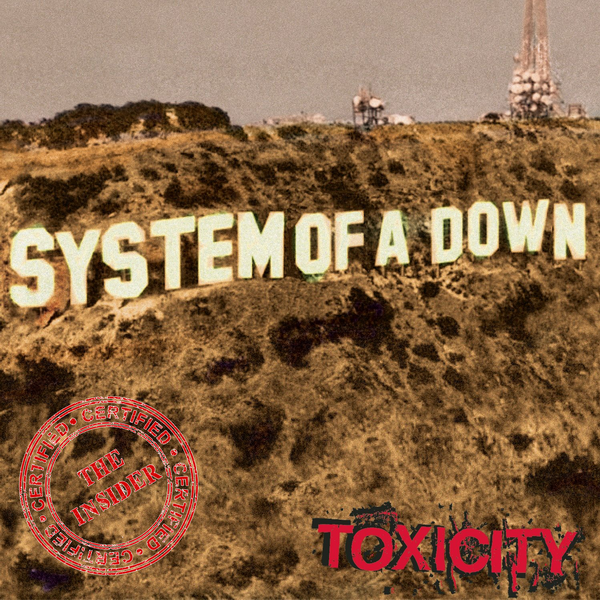
Άλλη μία καινούργια στήλη στο Rock Hard, είναι ο “Insider”. Μία στήλη όπου θα καταπιανόμαστε μ’ έναν δίσκο που –συνήθως- θα έχει επέτειο κυκλοφορίας και θα παρουσιάζουμε κάποιες άγνωστες ή τουλάχιστον λιγότερο γνωστές ιστορίες γύρω απ’ αυτό. Το “Toxicity” των SYSTEM OF A DOWN, κάνει ντεμπούτο, έχοντας κυκλοφορήσει στις 4 Σεπτεμβρίου του 2001 και από κάτω γίνεται μία καταγραφή δέκα ιστοριών με πολύ ενδιαφέρον.
• Κατά τη διάρκεια των ηχογραφήσεων του “Toxicity”, η ατμόσφαιρα ήταν πολύ τεταμένη, σε σημείο που ο Daron Malakian πλακώθηκε στο ξύλο με τον ντράμερ John Dolmayan. Ο Malakian έσκισε τα χείλια του κι ο Dolmayan έφαγε τη βάση του μικροφώνου στο δόξα πατρί!!! Ο μπασίστας, Shavo και ο Tankian, στέκονταν και αναλογίζονταν ότι αυτό ήταν το τέλος του σχήματος, αλλά αμέσως μετά τον τσακωμό πήγε ο ένας τον άλλο στο νοσοκομείο, οι γιατροί τους έραψαν δίπλα-δίπλα κι εκείνοι είχαν σκάσει στα γέλια, περιγράφοντας το σκηνικό ως «μία από τις πιο cool στιγμές στην ιστορία του σχήματος».
• Ο τίτλος του τραγουδιού “Chop suey!”, δεν σημαίνει απολύτως τίποτα!!! Το τραγούδι ήταν αρχικά να ονομαστεί “Self-righteous suicide” αλλά η δισκογραφική τους εταιρία ήθελε να αποφύγει οποιεσδήποτε διαμάχες θα δημιουργούσε (κατά το συγκρότημα, η απόφαση ήταν καθαρά δική τους και δεν είχε να κάνει με την εταιρία) και τους ζήτησε να τον αλλάξουν. Έτσι λοιπόν, αποφάσισαν να κάνουν ένα παιχνίδι με τις λέξεις και αντί για “Self-righteous suicide” να πουν “Self-right-chop suey-cide”, που δεν βγάζει κανένα απολύτως νόημα, αλλά ηχητικά είναι πανομοιότυπο με τον αρχικό τίτλο. Για την ιστορία, μερικά εκδόσεις του δίσκου, περιλαμβάνουν ένα intro όπου υπάρχει με πολύ χαμηλή φωνή, το σχόλιο: “we ‘re rolling suicide”.
• Την ημέρα της κυκλοφορίας του δίσκου, στις 4 Σεπτεμβρίου του 2001, είχε προγραμματιστεί μία δωρεάν συναυλία του γκρουπ στο Hollywood, σ’ ένα parking, για να γιορτάσουν το γεγονός. Εκεί όμως που περίμεναν 1000 άτομα, εμφανίστηκαν περίπου 10000, με αποτέλεσμα η αστυνομία να φοβάται ότι δεν θα μπορούσε να ελέγξει το κοινό και όχι μόνο απαγόρευσε στο σχήμα να παίξει, δεν άφησαν τα μέλη του να μιλήσουν στον κόσμο και να τους εξηγήσουν τι συνέβαινε. Κατέβασαν, λοιπόν, το backdrop τους και απλά είπαν στον κόσμο να φύγει!!! Οι οπαδοί που είχαν ξενυχτήσει από το προηγούμενο βράδυ, περιμένοντας να δουν τη συναυλία, εξαγριώθηκαν επειδή πίστευαν ότι απλά δεν βγήκαμε να παίξουμε, ανέβηκαν στην σκηνή και κατέστρεψαν τον εξοπλισμό του σχήματος αξίας 30.000 δολαρίων (ο οποίος είχε στηθεί πριν την –υποτιθέμενη- συναυλία) κι έγινε ένας γενικότερος χαμός, με την αστυνομία να βγάζει έφιππους, να ρίχνει πλαστικές σφαίρες και να προχωρά σε έξι συλλήψεις, ενώ έβαλαν τα μέλη του γκρουπ σ’ ένα βαν και τους πήγαν σ’ ένα ξενοδοχείο, όπου άνοιξαν την τηλεόραση κι έβλεπαν τις φασαρίες αλλά μαζί με αυτό, έβλεπαν τα πρόσωπά τους κι αυτό έκανε τον Daron Malakian να δηλώσει: «δεν μου άρεσε καθόλου αυτό που έβλεπα να γίνεται στους δρόμους. Αλλά το κοίταζα πάλι και σκεφτόμουν: «wow, αυτό θα μας κάνει πολύ δημοφιλείς».
• Είναι βέβαιο ότι κανένας από την εταιρία που έβγαλε την ταινία κινουμένων σχεδίων “The secret life of pets”, δεν έδωσε οποιαδήποτε σημασία στους στίχους του τραγουδιού “Bounce”, που ακούγεται στην ταινία. Δεν είναι άλλωστε και ιδιαίτερα εύκολο να φανταστεί κανείς ένα poodle να κάνει headbanging ενώ ακούγεται ένα τραγούδι που μιλά ξεκάθαρα για …ομαδικό σεξ!!!
• Το συγκρότημα μπήκε στο στούντιο έχοντας γράψει κάτι παραπάνω από 40 τραγούδια, τελικά όμως ηχογραφήθηκαν 33. Για μίξη έφτασαν τα 17 κι από εκεί και πέρα επιλέχθηκαν τα 14 που υπάρχουν στο άλμπουμ. Κατά κάποιον περίεργο και αδιευκρίνιστο τρόπο όμως, το επόμενο καλοκαίρι, υπήρξε μία διαρροή των υπολοίπων τραγουδιών, σε γνωστά file-sharing sites, με την ονομασία “Toxicity II”. Οι SYSTEM OF A DOWN, αμέσως έβγαλαν την ακόλουθη δήλωση: «Τα τραγούδια αυτά, δεν έχουν ολοκληρωθεί και δεν αντικατοπτρίζουν τα υψηλά standards του γκρουπ για τις ηχογραφήσεις του. Είμαστε απογοητευμένοι που οι οπαδοί μας δεν ακούνε τις καλύτερες δυνατές ηχογραφήσεις των SOAD» και το αποτέλεσμα ήταν η κυκλοφορία του “Steal this album” λίγο αργότερα, αφού είχαν ξαναηχογραφήσει τα τραγούδια και τα είχαν ολοκληρώσει…
• Το hidden track του “Toxicity”, το “Arto”, ήταν το πρώτο τραγούδι τους χωρίς κιθάρες. Πήρε το όνομά του από τον guest μουσικό Arto Tunçboyacıyan κι έχει σόλο από το πνευστό όργανο duduk από τον Αρμένιο jazz/folk μουσικό, ενώ υπάρχει μόνο percussion και το γκρουπ να τραγουδά. Ο Shavo Odadjian, είχε πει στο MTV, ότι χρησιμοποίησαν αρμένικα όργανα κι αυτό έκανε την μητέρα του να κλαίει κάθε φορά που το άκουγε. «Ήθελα να θυμάμαι τους Αρμένιους που σκοτώθηκαν το 1915 στη γενοκτονία».
• Οι SYSTEM OF A DOWN, απέρριψαν την πιθανότητα να παίξουν ζωντανά στα Grammy Awards του 2003. Την προηγούμενη χρονιά, είχαν προταθεί για βραβείο στην κατηγορία “Best Hard Rock Performance” με το “Chop suey!”, ενώ εκείνη, είχαν προταθεί στην ίδια κατηγορία για το “Aerials”. Μαζί με την πρόταση για βράβευση, ήρθε και η πρόσκληση να παίξουν, αλλά οι SOAD αρνήθηκαν λέγοντας: «Αυτό είναι κάτι που κάνουν οι N*SYNC και η Britney Spears, όχι οι SYSTEM OF A DOWN”.
• Αν διαβάσει κανείς τους στίχους του “Toxicity” (η λέξη αναφέρεται στο Los Angeles που κατά το συγκρότημα είναι “Toxic City”), δεν θα είναι λίγες οι στιγμές που θα βγάλει ελάχιστο ή και καθόλου νόημα. Στην ίδια φάση βρέθηκε και ο παραγωγός τους, ο Rick Rubin, που ομολόγησε πως δεν καταλάβαινε τι έλεγαν οι στίχοι του “Chop suey” εξηγώντας στο Rolling Stone: «Ο Serj Tankian έψαχνε λέξεις για τη γέφυρα του κομματιού, ενώ ήμασταν στο σπίτι μου και δουλεύαμε πάνω σ’ αυτήν την ιδέα. Δεν ξέρω τι σημαίνει, αλλά ξέρω πως με κάνει να αισθάνομαι. Είναι σαν τα τραγούδια του Neil Young, όπου οι στίχοι δεν βγάζουν απαραίτητα νόημα, αλλά σου δίνουν το αίσθημα ότι κάτι συμβαίνει. Αυτό κάνει το κομμάτι. Και πηγαίνει από το εκκεντρικό κουπλέ στην επική θλίψη του ρεφρέν. Τόσο περίεργο».
• Το τραγούδι “ATWA” έχει εμπνευστεί από τον διαβόητο serial killer, Charles Manson. Αλλά τα πράγματα δεν είναι τόσο επιφανειακά όσο φαίνονται. Το ακρωνύμιο ATWA σημαίνει είτε “Air, trees, water, animals” είτε “All the way alive”, που είναι φράσεις που χρησιμοποιούσε ο Manson ως όρους για να προωθήσει την αρμονία μέσω της φύσης. Ο Daron Malakian πάντα εκτιμούσε τις ιδέες του Manson για την κοινωνία, αλλά όχι φυσικά τις δολοφονίες και μετά τον θάνατό του το 2017, είχε γράψει στο Instagram: «Ονόμασα το κομμάτι ATWA από την περιβαλλοντική οργάνωση του Manson. Το ενδιαφέρον μου ήταν στον τρόπο που άρθρωνε τις σκέψεις του για την κοινωνία κι όχι για στους φόνους».
• Το γκρουπ ξαφνιάστηκε από την τεράστια επιτυχία του “Aerials”. Στις 11 Ιουνίου του 2002 που κυκλοφόρησε ως τρίτο single από το “Toxicity”, ύστερα από το ομώνυμο κομμάτι του δίσκου και το “Chop suey” που ακολούθησε, σχεδόν αμέσως πήγε στη θέση νούμερο ένα στην Αμερική, κάτι που δεν έχει ξανασυμβεί έκτοτε!!! Δύο μήνες αργότερα, ο δίσκος έγινε δύο φορές πλατινένιος, κυρίως επειδή όλοι οι σταθμοί έπαιζαν το “Aerials”. Οι ίδιοι οι SOAD δεν το θεωρούσαν ούτε από τα καλά, ούτε από τα χειρότερα του άλμπουμ. Ο Tankian είχε δηλώσει σχετικά πως το θεωρούσαν «ακόμη ένα τραγούδι. Μας άρεσε, όπως μας αρέσει όλη η μουσική που έχουμε κυκλοφορήσει. Ότι δεν μας αρέσει, το πετάμε στην άκρη και δεν το χρησιμοποιούμε».
This mode enables people with epilepsy to use the website safely by eliminating the risk of seizures that result from flashing or blinking animations and risky color combinations.
Visually Impaired Mode
Improves website's visuals
This mode adjusts the website for the convenience of users with visual impairments such as Degrading Eyesight, Tunnel Vision, Cataract, Glaucoma, and others.
Cognitive Disability Mode
Helps to focus on specific content
This mode provides different assistive options to help users with cognitive impairments such as Dyslexia, Autism, CVA, and others, to focus on the essential elements of the website more easily.
ADHD Friendly Mode
Reduces distractions and improve focus
This mode helps users with ADHD and Neurodevelopmental disorders to read, browse, and focus on the main website elements more easily while significantly reducing distractions.
Blindness Mode
Allows using the site with your screen-reader
This mode configures the website to be compatible with screen-readers such as JAWS, NVDA, VoiceOver, and TalkBack. A screen-reader is software for blind users that is installed on a computer and smartphone, and websites must be compatible with it.
Online Dictionary
Readable Experience
Content Scaling
Default
Text Magnifier
Readable Font
Dyslexia Friendly
Highlight Titles
Highlight Links
Font Sizing
Default
Line Height
Default
Letter Spacing
Default
Left Aligned
Center Aligned
Right Aligned
Visually Pleasing Experience
Dark Contrast
Light Contrast
Monochrome
High Contrast
High Saturation
Low Saturation
Adjust Text Colors
Adjust Title Colors
Adjust Background Colors
Easy Orientation
Mute Sounds
Hide Images
Hide Emoji
Reading Guide
Stop Animations
Reading Mask
Highlight Hover
Highlight Focus
Big Dark Cursor
Big Light Cursor
Cognitive Reading
Virtual Keyboard
Navigation Keys
Voice Navigation
Accessibility Statement
rockhard.gr
December 7, 2025
Compliance status
We firmly believe that the internet should be available and accessible to anyone, and are committed to providing a website that is accessible to the widest possible audience,
regardless of circumstance and ability.
To fulfill this, we aim to adhere as strictly as possible to the World Wide Web Consortium’s (W3C) Web Content Accessibility Guidelines 2.1 (WCAG 2.1) at the AA level.
These guidelines explain how to make web content accessible to people with a wide array of disabilities. Complying with those guidelines helps us ensure that the website is accessible
to all people: blind people, people with motor impairments, visual impairment, cognitive disabilities, and more.
This website utilizes various technologies that are meant to make it as accessible as possible at all times. We utilize an accessibility interface that allows persons with specific
disabilities to adjust the website’s UI (user interface) and design it to their personal needs.
Additionally, the website utilizes an AI-based application that runs in the background and optimizes its accessibility level constantly. This application remediates the website’s HTML,
adapts Its functionality and behavior for screen-readers used by the blind users, and for keyboard functions used by individuals with motor impairments.
If you’ve found a malfunction or have ideas for improvement, we’ll be happy to hear from you. You can reach out to the website’s operators by using the following email
Screen-reader and keyboard navigation
Our website implements the ARIA attributes (Accessible Rich Internet Applications) technique, alongside various different behavioral changes, to ensure blind users visiting with
screen-readers are able to read, comprehend, and enjoy the website’s functions. As soon as a user with a screen-reader enters your site, they immediately receive
a prompt to enter the Screen-Reader Profile so they can browse and operate your site effectively. Here’s how our website covers some of the most important screen-reader requirements,
alongside console screenshots of code examples:
Screen-reader optimization: we run a background process that learns the website’s components from top to bottom, to ensure ongoing compliance even when updating the website.
In this process, we provide screen-readers with meaningful data using the ARIA set of attributes. For example, we provide accurate form labels;
descriptions for actionable icons (social media icons, search icons, cart icons, etc.); validation guidance for form inputs; element roles such as buttons, menus, modal dialogues (popups),
and others. Additionally, the background process scans all the website’s images and provides an accurate and meaningful image-object-recognition-based description as an ALT (alternate text) tag
for images that are not described. It will also extract texts that are embedded within the image, using an OCR (optical character recognition) technology.
To turn on screen-reader adjustments at any time, users need only to press the Alt+1 keyboard combination. Screen-reader users also get automatic announcements to turn the Screen-reader mode on
as soon as they enter the website.
These adjustments are compatible with all popular screen readers, including JAWS and NVDA.
Keyboard navigation optimization: The background process also adjusts the website’s HTML, and adds various behaviors using JavaScript code to make the website operable by the keyboard. This includes the ability to navigate the website using the Tab and Shift+Tab keys, operate dropdowns with the arrow keys, close them with Esc, trigger buttons and links using the Enter key, navigate between radio and checkbox elements using the arrow keys, and fill them in with the Spacebar or Enter key.Additionally, keyboard users will find quick-navigation and content-skip menus, available at any time by clicking Alt+1, or as the first elements of the site while navigating with the keyboard. The background process also handles triggered popups by moving the keyboard focus towards them as soon as they appear, and not allow the focus drift outside it.
Users can also use shortcuts such as “M” (menus), “H” (headings), “F” (forms), “B” (buttons), and “G” (graphics) to jump to specific elements.
Disability profiles supported in our website
Epilepsy Safe Mode: this profile enables people with epilepsy to use the website safely by eliminating the risk of seizures that result from flashing or blinking animations and risky color combinations.
Visually Impaired Mode: this mode adjusts the website for the convenience of users with visual impairments such as Degrading Eyesight, Tunnel Vision, Cataract, Glaucoma, and others.
Cognitive Disability Mode: this mode provides different assistive options to help users with cognitive impairments such as Dyslexia, Autism, CVA, and others, to focus on the essential elements of the website more easily.
ADHD Friendly Mode: this mode helps users with ADHD and Neurodevelopmental disorders to read, browse, and focus on the main website elements more easily while significantly reducing distractions.
Blindness Mode: this mode configures the website to be compatible with screen-readers such as JAWS, NVDA, VoiceOver, and TalkBack. A screen-reader is software for blind users that is installed on a computer and smartphone, and websites must be compatible with it.
Keyboard Navigation Profile (Motor-Impaired): this profile enables motor-impaired persons to operate the website using the keyboard Tab, Shift+Tab, and the Enter keys. Users can also use shortcuts such as “M” (menus), “H” (headings), “F” (forms), “B” (buttons), and “G” (graphics) to jump to specific elements.
Additional UI, design, and readability adjustments
Font adjustments – users, can increase and decrease its size, change its family (type), adjust the spacing, alignment, line height, and more.
Color adjustments – users can select various color contrast profiles such as light, dark, inverted, and monochrome. Additionally, users can swap color schemes of titles, texts, and backgrounds, with over seven different coloring options.
Animations – person with epilepsy can stop all running animations with the click of a button. Animations controlled by the interface include videos, GIFs, and CSS flashing transitions.
Content highlighting – users can choose to emphasize important elements such as links and titles. They can also choose to highlight focused or hovered elements only.
Audio muting – users with hearing devices may experience headaches or other issues due to automatic audio playing. This option lets users mute the entire website instantly.
Cognitive disorders – we utilize a search engine that is linked to Wikipedia and Wiktionary, allowing people with cognitive disorders to decipher meanings of phrases, initials, slang, and others.
Additional functions – we provide users the option to change cursor color and size, use a printing mode, enable a virtual keyboard, and many other functions.
Browser and assistive technology compatibility
We aim to support the widest array of browsers and assistive technologies as possible, so our users can choose the best fitting tools for them, with as few limitations as possible. Therefore, we have worked very hard to be able to support all major systems that comprise over 95% of the user market share including Google Chrome, Mozilla Firefox, Apple Safari, Opera and Microsoft Edge, JAWS and NVDA (screen readers).
Notes, comments, and feedback
Despite our very best efforts to allow anybody to adjust the website to their needs. There may still be pages or sections that are not fully accessible, are in the process of becoming accessible, or are lacking an adequate technological solution to make them accessible. Still, we are continually improving our accessibility, adding, updating and improving its options and features, and developing and adopting new technologies. All this is meant to reach the optimal level of accessibility, following technological advancements. For any assistance, please reach out to